Before you start: how Pet Mesh differs
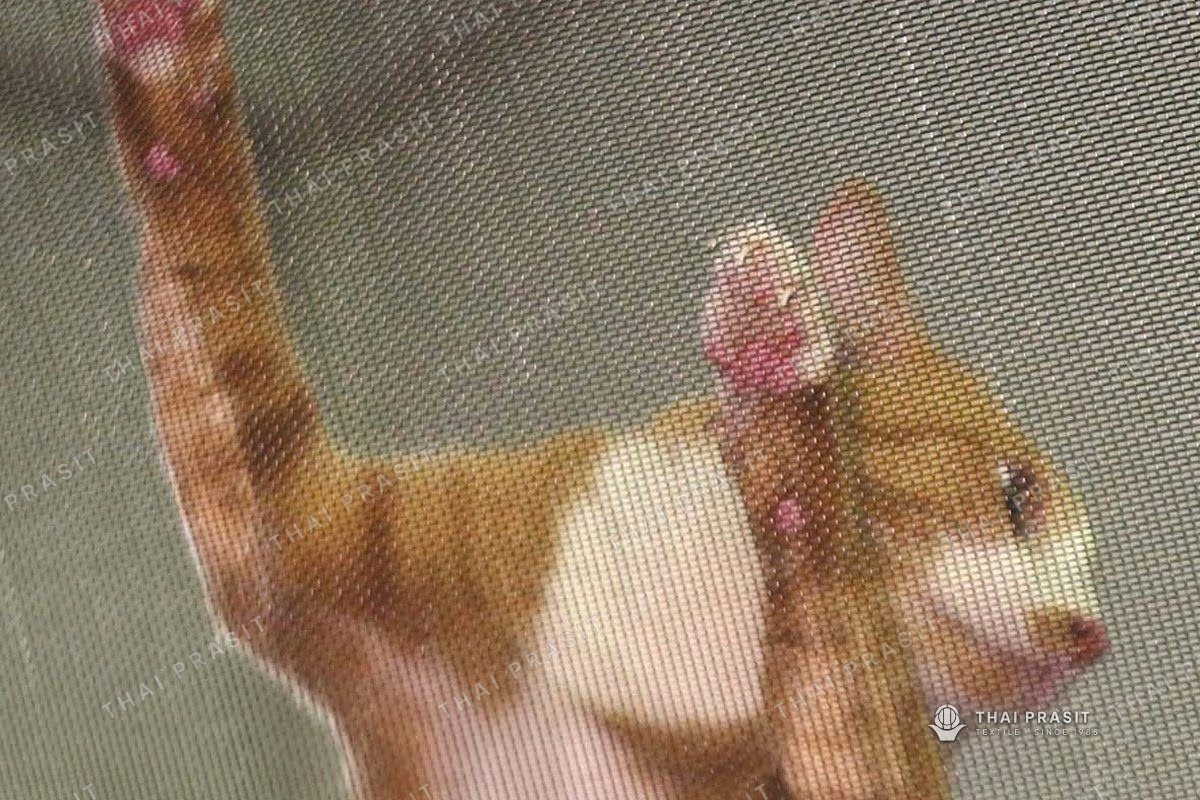
Pet Mesh is vinyl (PVC)-coated polyester with a yarn thickness of 0.64–0.66 mm, thicker than fiberglass screen (0.22–0.24 mm), which is why it stands up to the claws of dogs and cats. It fits the same spline-groove frames as HDPE insect screen, but because it is thicker, a spline roller alone often cannot press the spline fully into the groove. A rubber mallet helps.
What you need
- Pet Mesh, 36 or 48 in wide, about 5 cm wider than the frame on each side
- Spline (the rubber cord that holds the screen in the frame groove)
- Rubber mallet
- Spline roller (if you have one)
- Utility knife or scissors, and a tape measure
- Flat-head screwdriver to lift out the old spline
Step by step
- Remove the frame and the old spline. Lay the screen frame flat on a table or level floor. Lift one end of the old spline with the screwdriver and pull it out. Clean the groove of any debris or dust.
- Cut the screen. Measure the frame and cut the screen about 5 cm larger than the groove on each side, so that you have something to hold when you pull it taut.
- Line up the screen. Lay the screen on the frame with its strands parallel to the frame edges. If it is crooked, the mesh pattern will look slanted from inside the house.
- Start at the top. Press the spline and the screen into the groove at a top corner and work along the groove. Lead with the roller, then tap gently with the rubber mallet until the spline is fully seated.
- Do the opposite side. Continue with the bottom, then both sides. Pull the screen just taut as you press in the spline, but not so hard that the frame bows.
- Finish the corners. Trim a little excess screen at each corner so that it does not bunch up, and press the spline round the corner without cutting it.
- Trim the excess. Cut the screen along the outer edge of the spline with a utility knife, keeping the blade angled away from the screen you are keeping and clear of the spline.
- Check and refit. Check that the screen is evenly taut and the spline is tight all the way round, then put the frame back in place.
Tips
- If your usual spline will not go in because the screen is thicker, use spline one size smaller.
- Use Pet Mesh where pets can reach, such as balcony doors and windows that pets like to climb. Other openings can keep HDPE or fiberglass screen.
- A screen is not fall protection: Pet Mesh stands up to claws, but it cannot hold the weight of a person or a pet that leans or jumps against it. Upstairs windows and balconies always need bars or a railing.
- Pet Mesh keeps out bugs and mosquitoes just like ordinary insect screen, and still gives a clear view outside.
Available sizes
10×16 mesh in gray or black, 36 and 48 in wide, in 2, 10 and 20 m rolls. Other mesh counts, colors, widths and lengths can be made to order.